Corner Units: Maximizing Floor Space in Compact Rooms
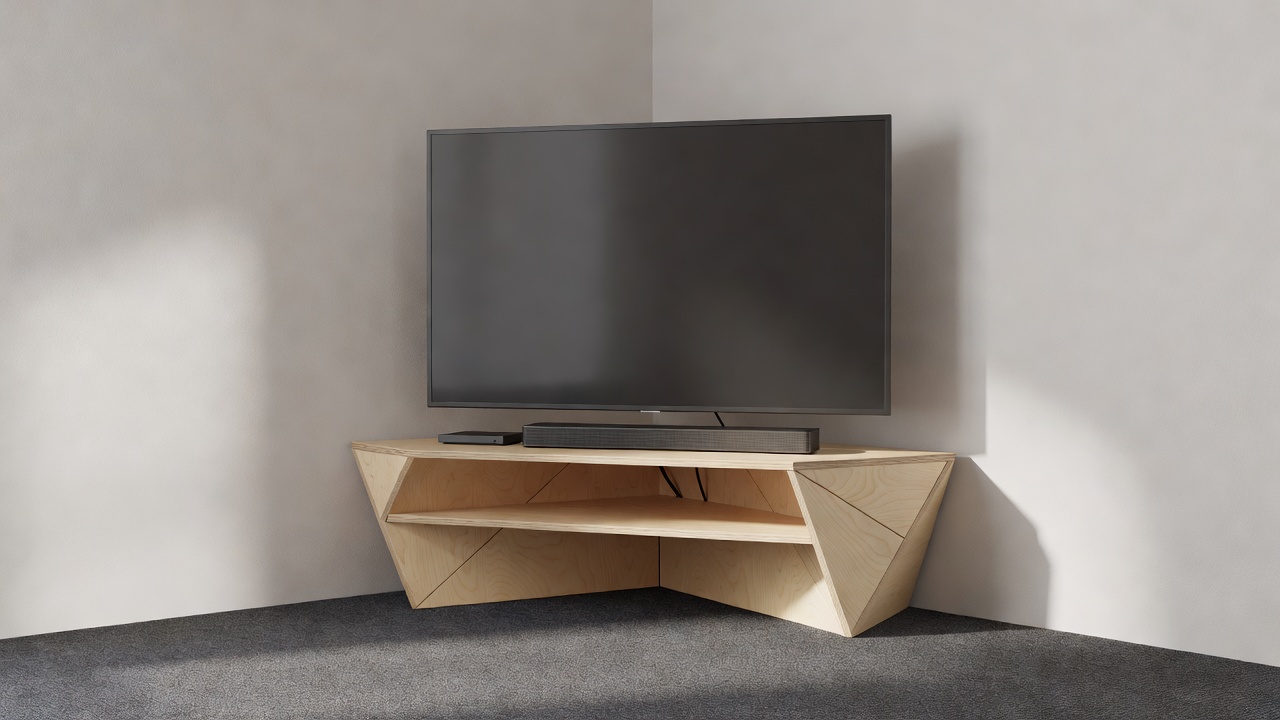
In apartments, bedrooms, or uniquely shaped living spaces, dedicating an entire flat wall to a media console may consume too much valuable real estate. When square footage is at a premium, the structural geometry of a corner TV stand offers an elegant solution that maximizes floor space while optimizing viewing angles.
The Geometry of Space Saving
Standard rectangular consoles placed across a corner create a large, unusable triangular void behind the unit. A purpose-built corner stand is designed to nestle deeply into that 90-degree angle. By pushing the deepest part of the furniture into the natural dead space of the room, the footprint that extends outward into the walkable area is significantly reduced.
This placement offers an additional benefit: panoramic viewing. A television positioned across a corner naturally faces the center of the room, providing acceptable viewing angles from multiple seating positions rather than requiring a single, head-on sofa alignment.
Design Variations
Corner stands are not a monolith; they come in varying architectural styles tailored to different equipment needs:
- The Truncated Triangle: The most traditional design. The front is flat and wide, while the rear tapers off at 45-degree angles to fit the corner. This design usually offers the deepest central shelving, ideal for larger audio receivers.
- L-Shaped Configurations: A more modern approach utilizing two narrow, intersecting rectangular consoles. This design requires more wall space but keeps a very low profile, often providing extensive surface area for decorative items alongside the television.
- Curved Fronts: Moving away from hard angles, some modern corner units feature a bowed or curved front edge, softening the visual impact of the furniture in small, tight spaces.
Storage Limitations and Solutions
The primary compromise of a corner unit is volume. Because the rear of the cabinet tapers inward, the actual square footage of the interior shelving is less than that of a standard rectangular console of the same width.
To mitigate this:
- Measure your widest piece of equipment (usually a receiver or gaming console) and compare it strictly against the internal width of the corner stand's shelves, not the exterior width of the unit itself.
- Opt for designs with open shelving at the tapered ends, which can be utilized for smaller accessories, controllers, or media cases, reserving the deep center channel for electronics.
Managing the Screen Overhang
When placing a modern, ultra-wide television on a corner stand, you must account for the physical constraints of your walls. If the stand is small and pushed deeply into the corner, the edges of a large television may strike the adjacent walls before the stand can sit flush.
Always pull the stand forward enough so that the widest part of the screen clears the walls. This slightly reduces the space-saving benefit but prevents damage to drywall and allows access to side-mounted ports on the television. Even with this slight offset, a corner unit remains the most efficient deployment of living room geography for compact spaces.