Wood vs. Metal TV Stands: Choosing Your Foundation
When selecting a media unit, the material composition dictates more than just the aesthetic of your living space. It influences the longevity of the furniture, its structural weight capacity, the acoustic properties of your room, and how you will maintain the piece over time. The primary debate usually centers around two core materials: wood and metal.
The Warmth and Weight of Wood
Wood remains the traditional choice for home furnishings, and for good reason. It introduces natural textures and warm tones that can soften the harsh, technological presence of a large television and sound system.
However, "wood" is a broad category. The performance of your stand relies heavily on the specific type of wood used in its construction:
- Solid Hardwoods (Oak, Walnut, Maple): These represent the pinnacle of durability. A solid oak unit can last generations and easily support the weight of heavy, older televisions or massive home theater receivers. They are, however, significantly heavier and represent a larger initial investment.
- Softwoods (Pine, Cedar): Lighter and generally more affordable, softwoods are prone to denting and scratching. They often feature in rustic or farmhouse designs but may require more careful use to maintain their finish.
- Engineered Woods (MDF, Plywood, Particleboard): Most modern, accessible furniture utilizes engineered wood finished with a veneer or laminate. High-density MDF is remarkably strong and resists the warping that can affect solid wood in changing humidity. However, lower-grade particleboard is susceptible to moisture damage and may bow over time under heavy loads.
The Sleek Resilience of Metal
Metal TV stands emerged in popularity alongside the rise of ultra-thin flat screens. Their defining characteristic is strength without bulk. Metal frames allow for minimalist, open-concept designs that can make small rooms feel larger by allowing light and sightlines to pass through the furniture.
Common metals used in media units include:
- Steel: Often powder-coated to prevent rust, tubular steel provides incredible tensile strength. It is commonly used as a structural frame paired with glass or wood shelving.
- Aluminum: Much lighter than steel but highly resistant to corrosion. Aluminum is frequently seen in modern, high-end modular shelving systems.
A primary advantage of metal construction is thermal management. Electronics generate heat; open metal frames with wire-mesh or glass shelving offer superior passive ventilation compared to closed wooden cabinets, extending the lifespan of gaming consoles and amplifiers.
Pros and Cons at a Glance
To help guide your decision, consider these core comparisons:
| Feature | Wood Stands | Metal Stands |
|---|---|---|
| Aesthetic | Warm, traditional to mid-century modern | Sleek, industrial, minimalist contemporary |
| Storage | Often features closed cabinets and drawers | Typically features open shelving |
| Cable Concealment | Easier to hide cables behind solid backing | Requires dedicated cable management solutions |
| Durability | Can scratch or dent, but can be refinished | Highly resistant to daily wear, cannot be easily refinished |
Making the Final Decision
Your choice should ultimately reflect your lifestyle and existing decor. If you require significant enclosed storage to hide media accessories, board games, or a chaotic cable situation, a wooden cabinet is likely the superior choice. If you prefer a visually lightweight piece that highlights your technology and promotes excellent airflow, metal construction is the way forward.
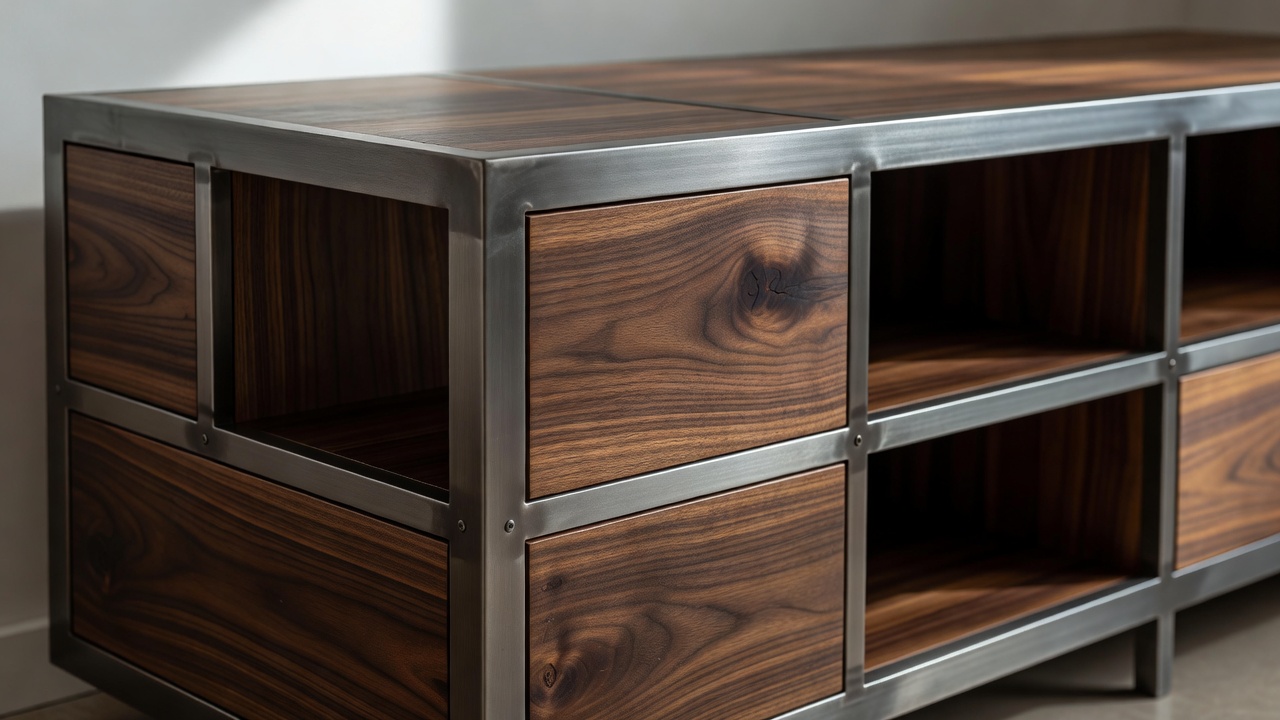
Increasingly, the market favors hybrid designs: robust steel frames supporting warm, wood-veneer shelving. This approach offers the structural benefits and open feel of metal alongside the natural aesthetic appeal of wood, providing a balanced solution for contemporary living spaces.